
February 19–April 13, 2026
OnView–Power
Film series
OnView is a curated film series by PalaisPopulaire. Each spring and fall, the institution presents films by international artists that explore a specific theme over a period of up to eight weeks. Under the title Power, the third edition brings together works by Karimah Ashadu, Dara Birnbaum, Jen DeNike, Korpys/Löffler, Erkan Özgen, Rosemarie Trockel, Shirin Sabahi, and Ulay/Marina Abramović.
As in previous presentations, the works selected for OnView–Power reflect the different meanings and interpretations of the term. Set in social or political contexts, the films deal with power, strength, control, or their opposites.
Curated by Sara Bernshausen, Deputy Director, PalaisPopulaire
Total: 1 hour 7 minutes
Screening Order:
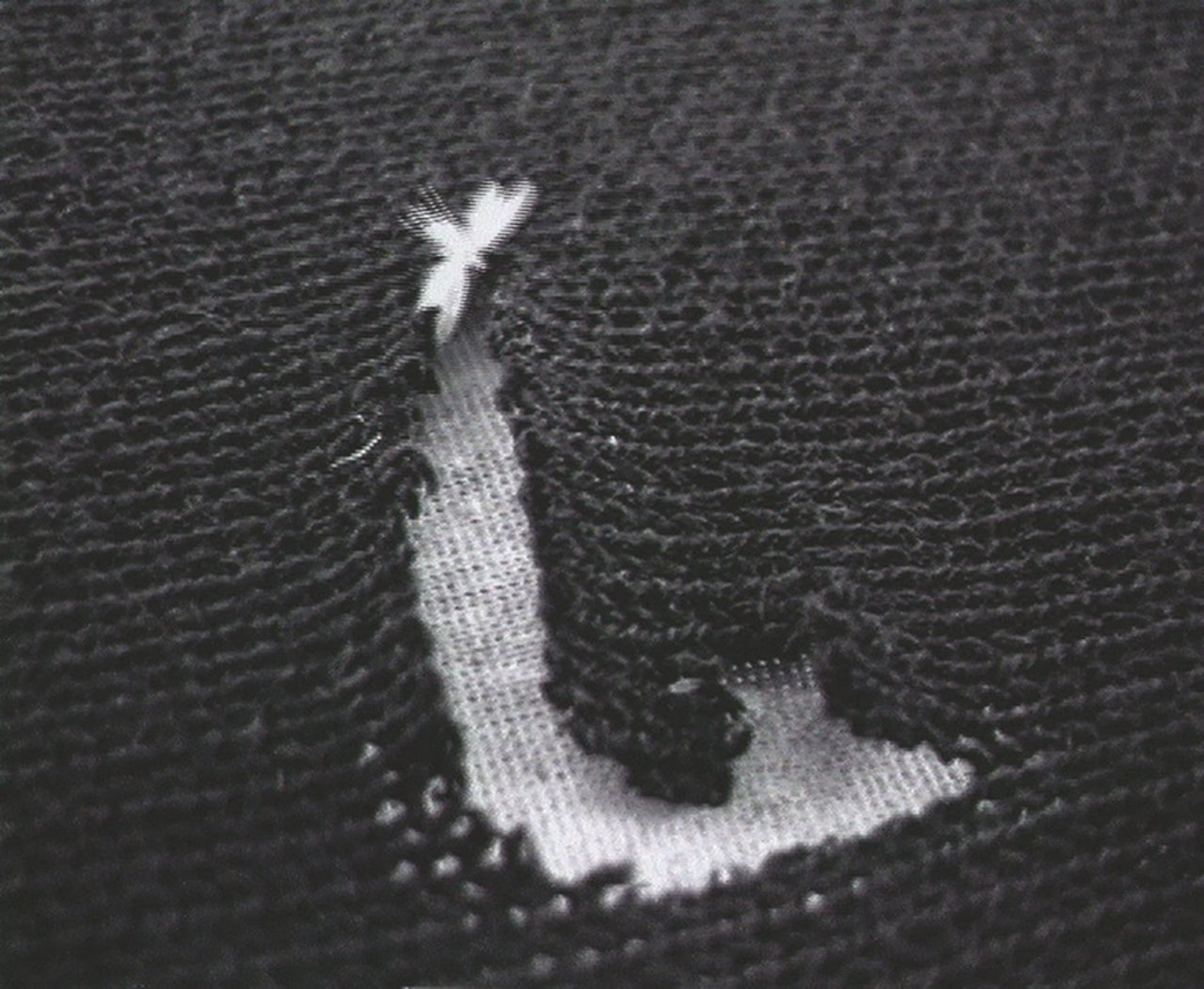
Rosemarie Trockel, à la Motte, 1993
In a short black-and-white sequence, a white moth eats a hole into the mesh of a black knitted garment, separating the textile fabric. In "à la Motte" (1993), Rosemarie Trockel then has these images also playing backwards. This creates the impression that the moth is unraveling and re-sewing the fabric—partly performing delicate handiwork, partly destroying it. As in the myth of Sisyphus, this visual play reflects the endless repetition of an exhausting task.
Betacam SP, black and white, no sound
1:00 min
© VG Bild-Kunst, Bonn 2026. Courtesy of the artists and Sprüth Magers
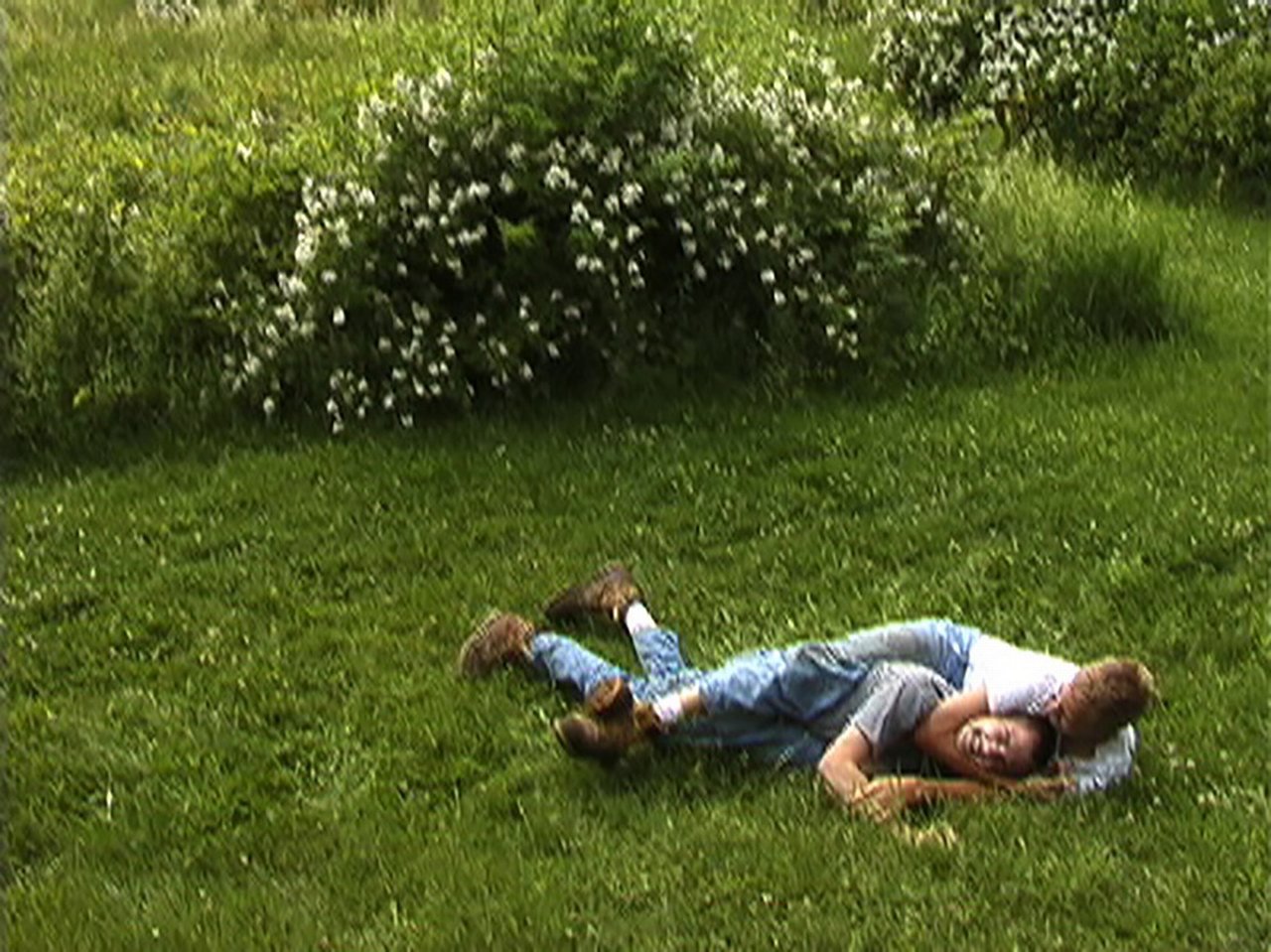
Jen DeNike, Wrestling, 2002
In "Wrestling" (2002), two teenagers grapple on a summer meadow. Filmed from a bird’s-eye view, Jen DeNike captures the fine line between playfulness and seriousness in the rivalry between the two rival boys. Fun, exuberance, and the subtle eroticism of a trial of strength permeate the scene.
Video, color, sound
3:10 min
Courtesy of the artist and Julia Stoschek Foundation
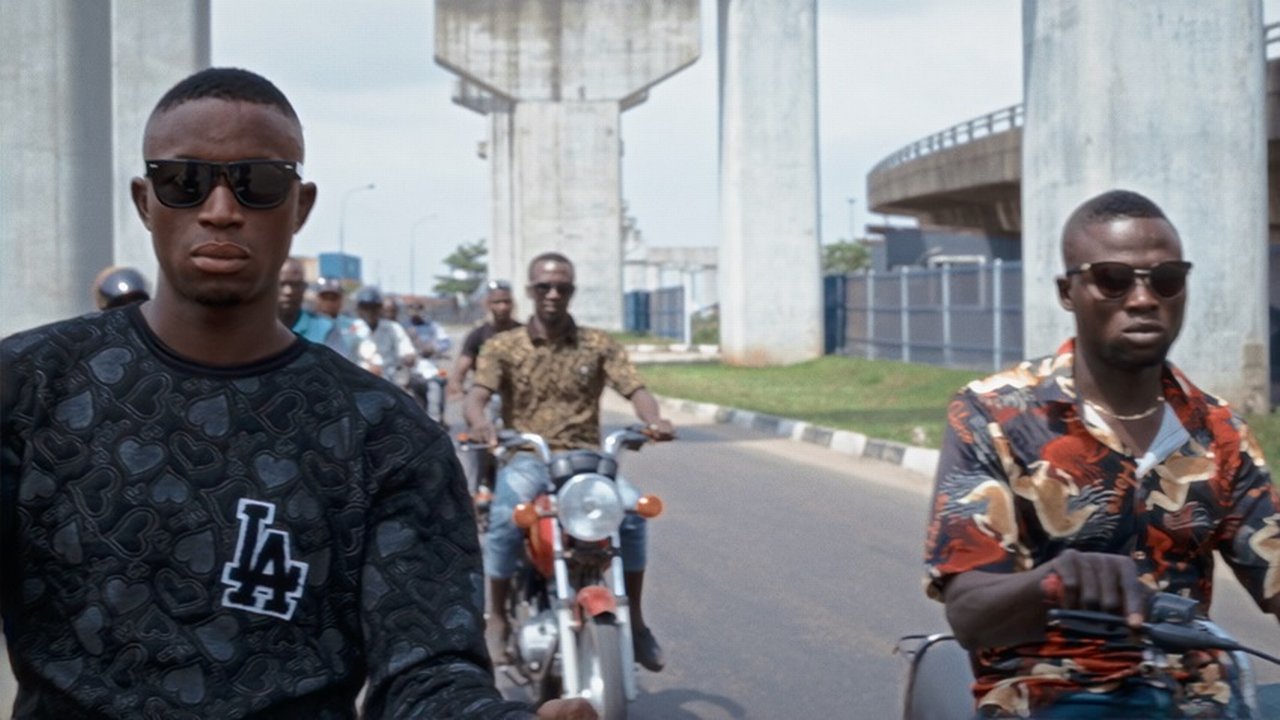
Karimah Ashadu, Machine Boys, 2024
Karimah Ashadu’s "Machine Boys" (2024) focuses on the motorcycle taxis known as “Okada” in Lagos, which continue to operate illegally despite a government ban. The film portrays the daily challenges and rituals of Okada drivers, who flaunt their masculinity with imitation Ray-Ban sunglasses and Gucci slippers in their pursuit of financial success. Ashadu questions Nigeria’s patriarchal structures and highlights the vulnerability of a precarious working class.
Single-channel video, color, sound
8:50 min
© Karimah Ashadu. Courtesy of the artist, Fondazione In Between Art Film, and Sadie Coles HQ, London. Video still: © Karimah Ashadu und Sadie Coles HQ, London
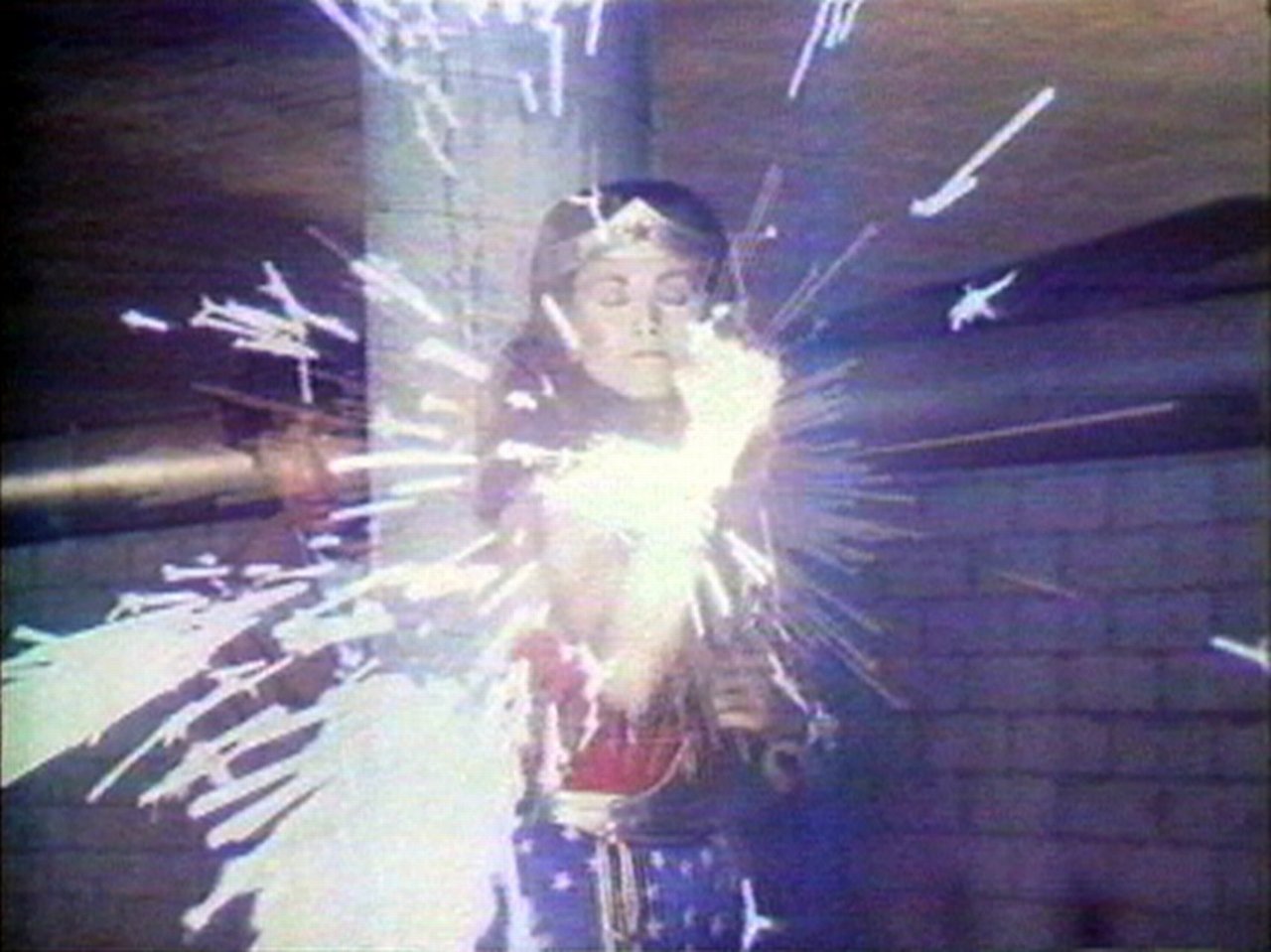
Dara Birnbaum, Technology/Transformation: Wonder Woman, 1978–79
In the mid-1970s, Lynda Carter became a new heroine on U.S. television with the series Wonder Woman. Dara Birnbaum appropriates this material in "Technology/Transformation: Wonder Woman" (1978–79), editing the transformation from superheroine to secretary into an endless loop. The demanding reality of women’s lives between these poles remains concealed and is left to the viewer’s imagination.
Video, color, sound
5:50 min
Courtesy of the Estate of Dara Birnbaum and Electronic Arts Intermix (EAI), New York
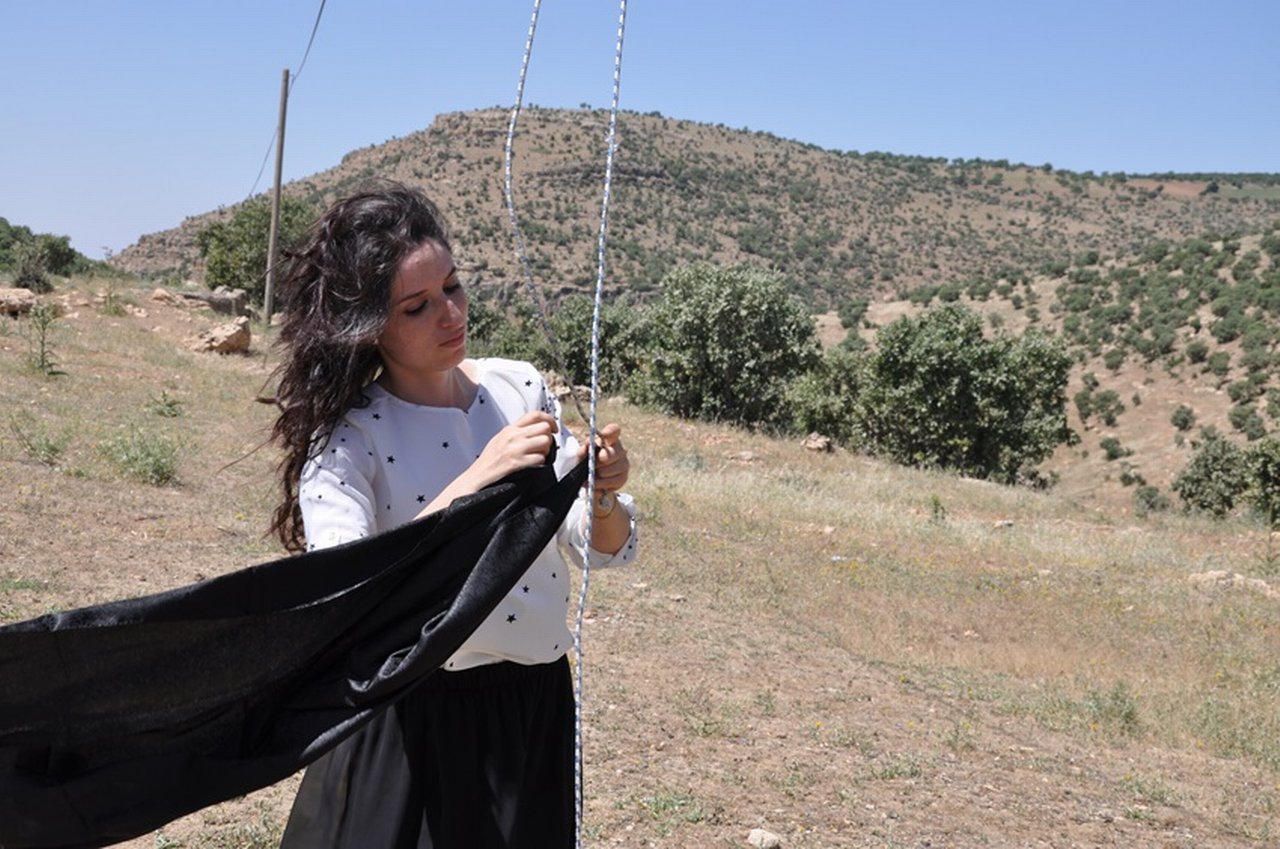
Erkan Özgen, Dark in Dark, 2012
In "Dark in Dark" (2012), a young woman wearing a long black skirt and headscarf stands in a barren landscape dominated by a power line. Her slow, deliberate actions leave ample room for interpretation. Erkan Özgen symbolically stages an act of female liberation and self-empowerment in opposition to the power and force of fanaticism.
1-Kanal-HD-Video, Ton/Single-channel, HD video, sound
6:40 min
Courtesy of the artist and ZINK
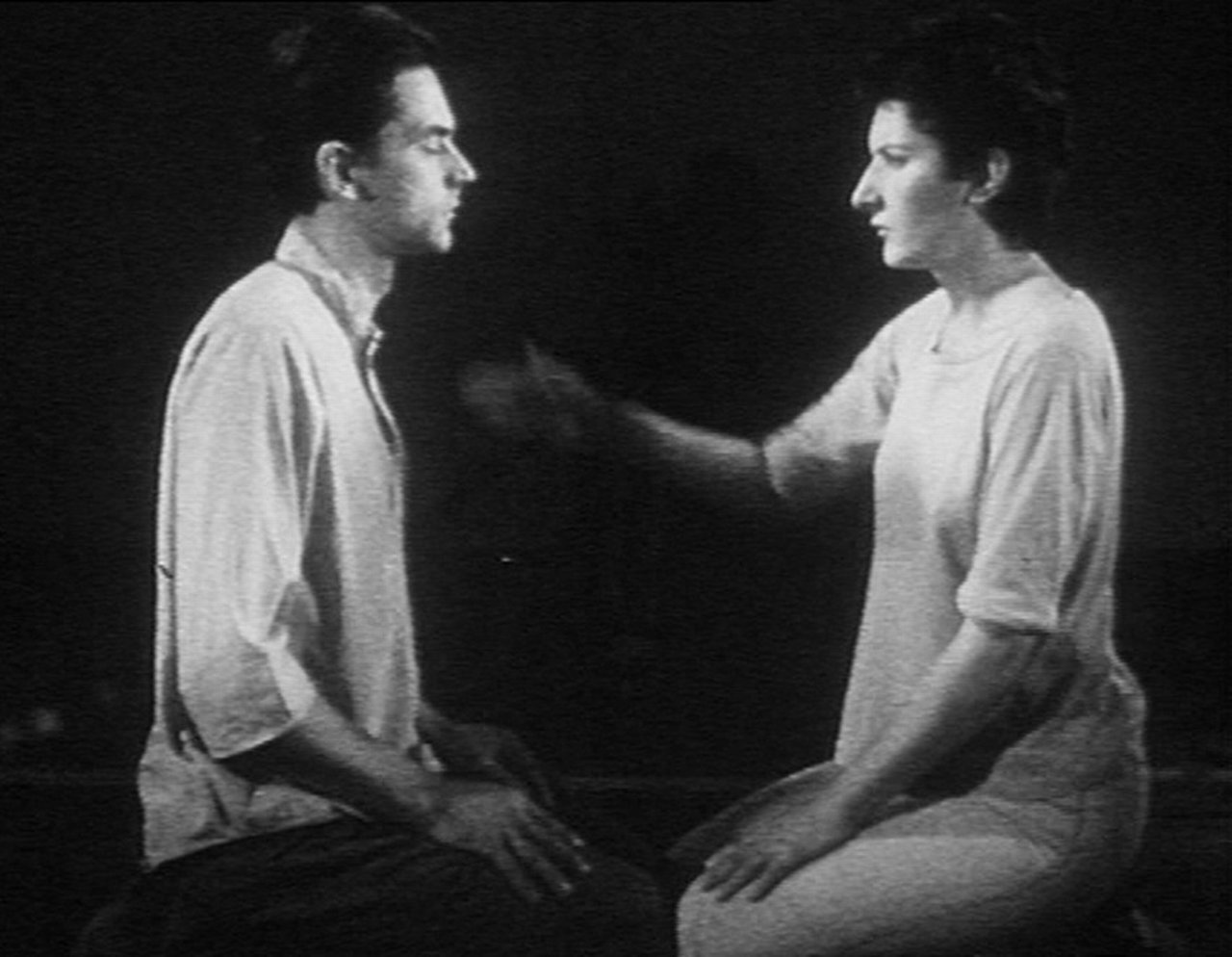
Ulay/Marina Abramović, Light/Dark (Amsterdam), 1978
From 1976 to 1989, Marina Abramović and Ulay tested physical and mental limits in their joint performances, exploring the possibilities of interpersonal relationships. Their bodies became instruments for expressing identity, existence, and social interaction. In the film documentation "Light/Dark," based on the performance of the same name in Amsterdam in 1978, power, pain, injury, shame, and dependence play a central role.
Single-channel video, black and white, sound
8:15 min
© VG Bild-Kunst, Bonn 2026. Ulay and Marina Abramović. Courtesy of the Marina Abramović Archives and LI-MA Amsterdam
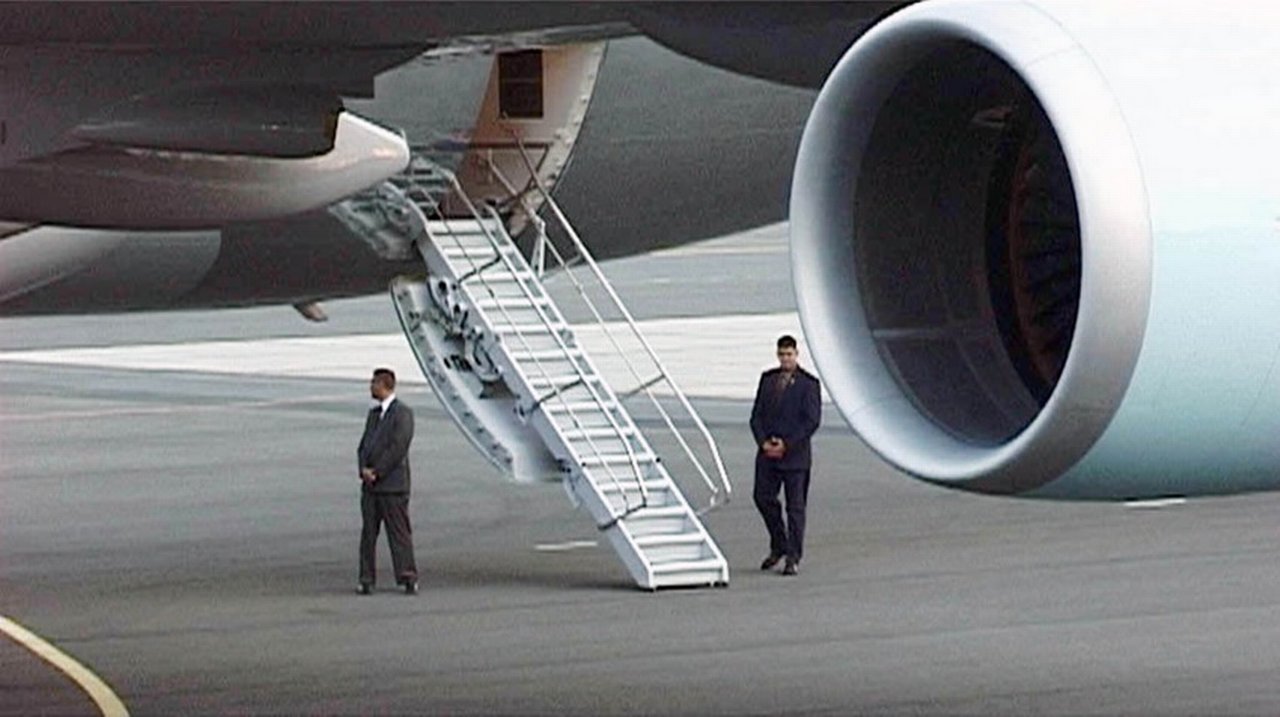
Korpys/Löffler, The Nuclear Football, 2004
The documentary fiction "The Nuclear Football" presents various institutional levels of power. As members of the official press pool, Korpys/Löffler participated in rehearsals and accompanied George W. Bush during his visit to Berlin in 2004. Rather than focusing on the ceremonial state occasion, the film reveals the concealed mechanisms behind such productions. The title refers to the nuclear football, which remains in the immediate vicinity of the head of state and symbolizes absolute power.
Single-channel video, color, sound
30:41 min
© VG Bild-Kunst, Bonn 2026. Courtesy of the artists and Meyer Riegger, Berlin/Karlsruhe
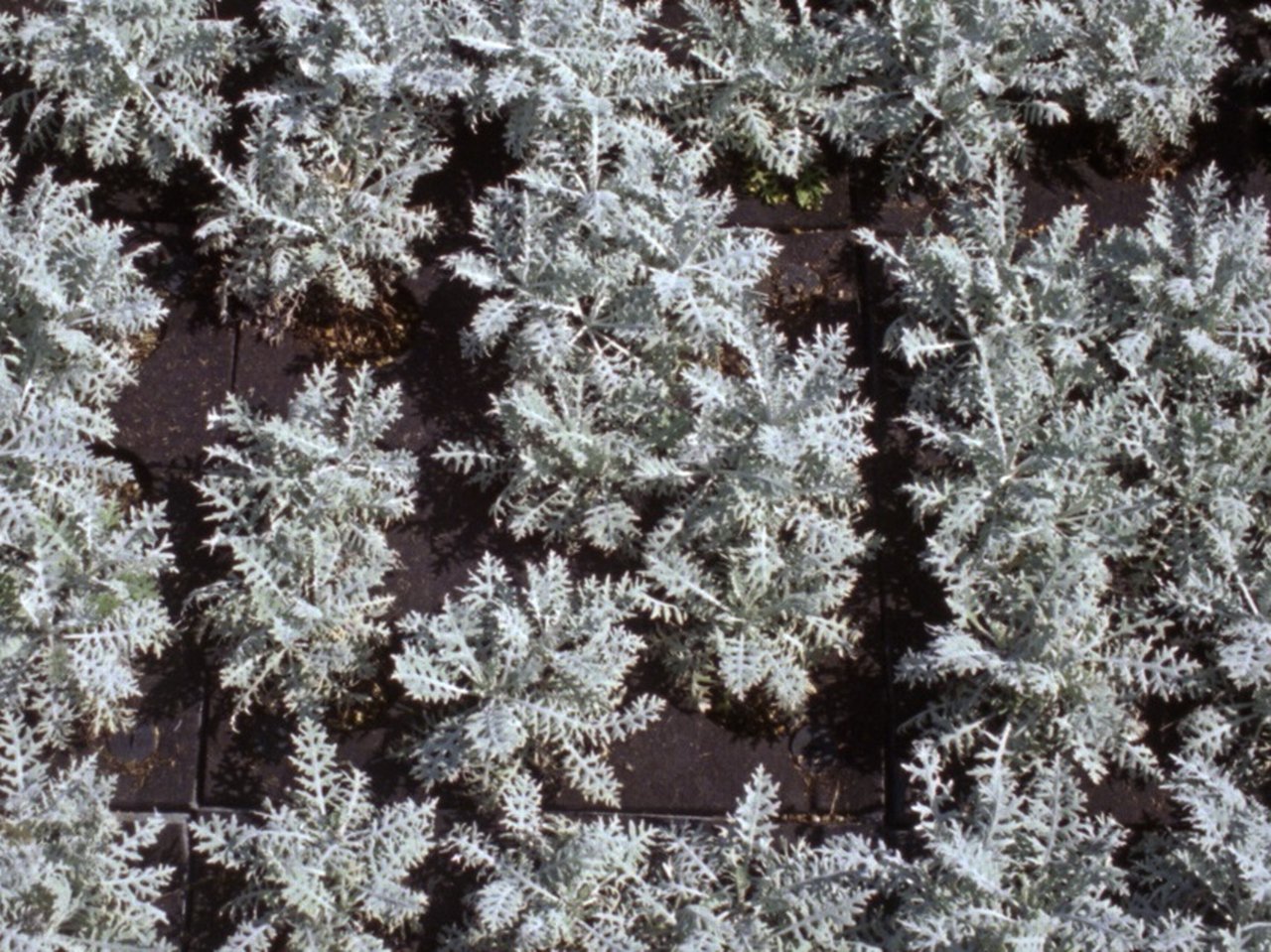
Shirin Sabahi, Casino Blooms, 2026
"Casino Blooms" (2026) captures the final days of Expo 2025 in Osaka. The camera lingers on the sea of flowers surrounding the world’s largest wooden structure. The blooming garden, however, conceals transformation in the sense of “soft power”: after six months, the structure will be dismantled and make way for a gambling complex. Shirin Sabahi views her image as a symbol of transition, suspended in the moment just before everything comes to an end.
16 mm film transferred to digital, color, no sound
2:47 min
© VG Bild-Kunst, Bonn 2026. Courtesy of the artist